The False Promise of the Birchwood Note and the Decade-Long Entombment of the Vanishing Seven


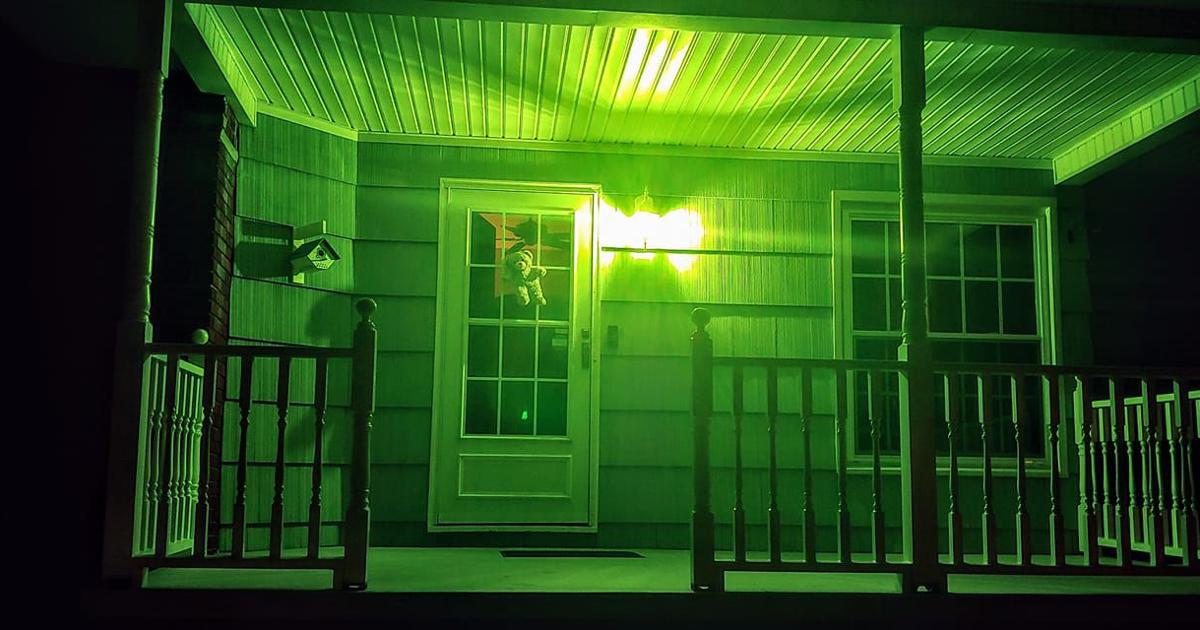
In the thick, slow-moving heat of Waco, Texas, life on Birchwood Drive followed a gentle rhythm. Lawns were trimmed on Saturdays, porch lights flicked on at dusk, and neighbors waved without much thought as they passed one another. The Ramirez family fit neatly into that picture. Miguel worked long hours and came home tired but smiling. Laura kept the household running with quiet skill, balancing school schedules, meals, and scraped knees. Their five children filled the house with noise from morning until night—arguments over toys, laughter spilling down the hallway, the constant hum of a full family living its life.
Nothing about them stood out as unusual. They were not rich, not struggling in any way that raised alarms. They went to church, attended school events, and borrowed sugar from next door. People knew them well enough to feel comfortable, but not so closely that they saw every crack. That was how it often is with families who seem happy. The details that matter most stay inside the walls of the home.
On the morning of June 14, 1995, those walls fell silent.
The day began like any other. The sun rose early, already heavy with heat. Neighbors left for work. A delivery truck passed through. But the Ramirez house did not wake up. No kids ran outside. No radio played through the open windows. By afternoon, someone noticed the front door had not opened all day. By evening, the quiet felt strange.
Inside the house, everything looked normal at first glance. Beds were made. Dishes were clean and stacked. A basket of laundry sat folded and ready to be put away. On the refrigerator door, held in place by a bright magnet, was a handwritten note. It said the family had decided to take a quick trip to visit relatives. No dates. No location. Just a short, friendly message asking anyone who stopped by not to worry.
It worked, at least for a little while.
People accepted the explanation because it was easier than questioning it. Families leave town all the time. Summer had just begun. Maybe they wanted a break. Maybe it was sudden. The note sounded calm, almost cheerful. There was no reason to doubt it.
But days passed, and then weeks. The lawn grew taller. Mail piled up. The family’s 1993 Dodge Caravan was gone, but no one had seen it leave. Phone calls went unanswered. Concern slowly replaced patience.
Laura’s parents called relatives, trying to figure out where the family might be staying. No one knew. No one was expecting them. No one had heard from Miguel or Laura. That was when the worry turned sharp and cold.
Police were called. Officers walked through the house carefully, looking for anything out of place. There were no signs of a struggle. Nothing broken. Nothing missing except the family and their van. In Laura’s bedroom, her wedding ring sat in a small dish on the dresser. She never took it off. Not to sleep. Not to clean. The sight of it sitting there alone unsettled everyone who saw it.
The case was opened, and the search began.
At first, hope stayed alive. Missing families sometimes turn up. Maybe they ran into trouble on the road. Maybe Miguel had made a bad choice and taken them somewhere new. There were rumors almost immediately. Someone claimed Miguel owed money. Someone else said they had been seen near the border. A story spread that they were hiding from something, though no one could say what.
Police followed every lead. They checked hospitals, shelters, and hotels. They searched nearby counties. They put out alerts for the van. Nothing came back. Not a sighting. Not a license plate hit. It was as if the family had simply stepped out of the world.
Months passed. The heat turned to fall, then winter. The Ramirez house was eventually sold. New owners moved in, repainting walls and replacing carpets. The children’s toys were boxed up and taken away. Life on Birchwood Drive went on, but the story of the missing family lingered like a shadow.
People talked about them less as time went by, but no one forgot completely. The case earned a quiet nickname among locals, one that was spoken in low voices: the Vanishing Seven. It became one of those stories people shared when talking about how strange the world could be. A warning. A mystery. A sadness with no ending.
For detectives, the case became a source of frustration. Every detail suggested the family had left willingly, yet nothing supported that idea. There was no money withdrawn. No plans made. No trail. Families do not disappear without leaving some mark behind. Yet ten years passed with no answers.
By the summer of 2005, most people assumed the truth would never be known.
That August was brutal. The heat pressed down hard, turning the land dry and cracked. A construction crew was working outside the city, clearing land for a new drainage system about twenty miles from Waco. The area was quiet and empty, a stretch of red dirt and low brush that most people never visited.
One afternoon, a backhoe operator felt the machine jolt as the bucket struck something solid underground. At first, he thought it was an old pipe or scrap metal. That kind of thing wasn’t unusual. He dug a little more, brushing away dirt and mud.
Then he saw metal shaped in a way that made his stomach drop.
It was the roof of a vehicle.
The crew stopped work immediately and called authorities. Police arrived and began carefully uncovering the object. As more dirt was removed, the shape became clear. It was a minivan, crushed and rusted, packed tightly with mud and silt. The color was hard to see under years of grime, but the shape was unmistakable.
When the license plate was uncovered, there was no longer any doubt.
It was the Ramirez family’s Dodge Caravan.
The van had been buried in what was once a dry creek bed, hidden deep enough that no one had noticed it for a decade. Inside were skeletal remains—seven sets, exactly where they would have been during a normal drive. Miguel in the driver’s seat. Laura beside him. The five children in the back, some slumped, some pressed against one another.
It was a sight that shook even seasoned investigators.
The discovery sent a wave of shock through Waco. News spread quickly. People who remembered the family felt the old sadness return, heavier now with the knowledge of what had happened. The mystery was no longer about where they went. It was about who put them there.
Forensic teams worked carefully, piece by piece. The van showed clear signs of damage. The rear end was crushed inward, metal bent in a way that suggested a violent impact. This was not an accident. Someone had rammed the van at high speed.
Even more disturbing was what came next. The evidence showed that after the crash, the van had been deliberately buried. Heavy machinery had been used to push dirt over it, sealing it away. This was not panic. It was planning.
The investigation shifted from missing persons to homicide.
Detectives went back through old files with fresh eyes. They focused on Miguel’s finances, something that had once seemed like a dead end. That was when one name surfaced again, this time with new weight.
Richard Hale.
Hale was a local lender known for operating outside the law. He lent money to people who could not get it elsewhere, charging high interest and enforcing repayment with threats and violence. Miguel had borrowed $15,000 from him months before the family disappeared. At the time, it was dismissed as a possible motive for Miguel running away.
Now it looked like something far darker.
Witnesses came forward. People who had been afraid to talk before began to speak. They described Hale’s temper, his access to construction equipment, his habit of collecting debts personally. Records showed that Hale owned machinery capable of digging and burying something the size of a van.
Forensic evidence tied him to the site. Soil samples, tool marks, and damage patterns all pointed in the same direction. The story became clear in pieces.
Miguel had likely been driving with his family when Hale caught up to them. A confrontation. Fear. A violent decision. The van was rammed, sending it off the road and into the creek bed. Whether anyone survived the initial crash did not change the outcome. Hale made sure there would be no witnesses. No survivors. No loose ends.
In 2007, Richard Hale stood trial.
The courtroom was quiet as details were laid out. Photos of the van. Diagrams of the crash. Testimony from experts and witnesses. Members of the Ramirez extended family sat together, holding hands, listening to the story of how their loved ones had died.
Hale showed little emotion. He denied everything. But the evidence was overwhelming.
The jury took little time to decide.
He was convicted and sentenced to forty years in prison.
For the community, the verdict brought a kind of closure, but not peace. Nothing could erase the image of that note on the refrigerator, the simple lie meant to buy time. Nothing could make up for ten years of not knowing, of hoping, of imagining different endings.
The Ramirez house on Birchwood Drive looks like any other now. Families come and go. Children grow up. But for those who remember, the story remains just beneath the surface. A reminder that even in quiet neighborhoods, even in ordinary lives, darkness can hide patiently, waiting to be uncovered.
The earth gave up its secret, but the cost of that truth will never be forgotten.