My name is Briana Henderson. I’m thirty-eight years old, a certified public accountant, and three weeks ago, at my father’s funeral, my brother stood in front of forty grieving people and announced that he was selling our childhood home to pay off his gambling debt.
My mother sat in the front row and nodded like they had practiced the scene in advance.
Then she turned to me, calm as ever, and said, “Your father would understand. Your sister can find somewhere else to live.”
What neither of them knew was that my father had already made sure that would never happen.
But that part only makes sense if I go back.
This story didn’t start at the funeral home with my brother pretending to be a devoted son.
It started twenty years earlier, in the dining room of our house in the suburbs outside Philadelphia. I was eighteen, sitting at the table with my college letters spread out in front of me like proof that I had done everything right. Penn State. Temple. Drexel. I had a 3.9 GPA, strong recommendations, and enough hope to believe that hard work might actually matter.
I had also already learned that in my family, being deserving and being chosen were not the same thing.
My mother picked up my Temple acceptance letter, glanced at it the way someone checks the price of something they already plan to reject, and dropped it back on the table.
“Why would we spend that kind of money on you?” she said. “You’re a girl. You’ll get married. Your husband will take care of you. That’s how life works.”
I looked at my father, waiting for him to say something. Anything.
He stared down into his coffee mug, jaw tight, eyes fixed, and stayed silent.
My brother Marcus, who was three years older, never had to wonder if he would be supported. He was already at Villanova, and everything had been paid for. Tuition. Books. Apartment. Car. Comfort. He didn’t get lectures about sacrifice or practicality. He got a future handed to him with both hands.
I got a list of jobs I could apply for.
So I built my life myself.
I applied for every scholarship I could find and somehow pieced together enough money to cover most of Temple. The rest I paid with work. Weeknights at a call center. Weekends at a coffee shop. I lived on bad coffee, instant noodles, and stubbornness. Five hours of sleep felt like a luxury. Buying fresh fruit felt irresponsible.
But I finished. I graduated with a 3.8 GPA. I passed the CPA exam. I earned every inch of the life I had.
No one in my family gave it to me.
After graduation, I stopped talking to them for two years.
It wasn’t dramatic. I didn’t send angry letters or make speeches. I just stopped calling. Stopped visiting. Stopped forcing myself to sit in rooms where I was treated like an optional extra in someone else’s story.
My mother used to say the same sentence so often that it became part of the air in our house.
“Sons are the pillars of a family. Daughters are only guests passing through.”
When you hear something often enough, especially as a child, it sinks into your bones. Even after you know it’s wrong, part of you still lives under it.
Over the years, I let them back in a little. A holiday here. A careful phone call there. Enough to seem civil. Never enough to feel close. I learned how to keep my distance in ways that looked polite.
Then, one cold Tuesday in November, my phone rang at two in the morning.
My mother’s name flashed on the screen.
When I answered, she didn’t say hello.
“Your father collapsed. Jefferson Memorial. Come now.”
I was on the road within minutes, driving through dark highways in my 2015 Camry, the check-engine light still glowing because I had been too busy to deal with it. The roads were mostly empty. Streetlights blurred past. My hands stayed locked around the steering wheel the whole way.
When I got to the hospital, Marcus’s black Mercedes was already parked outside under the fluorescent lights.
By the time I reached the ICU, Dad was gone.
The last conversation I had with him had happened three months earlier. It lasted maybe a minute and a half. He asked if I was doing okay. I said yes. Then we sat in that familiar silence that always seemed to stand between us until one of us found an excuse to end the call.
I didn’t know it was the last time I would ever hear his voice.
That thought followed me like a shadow.
The next morning, I went back to the house on Maple Street for the first time in three years.
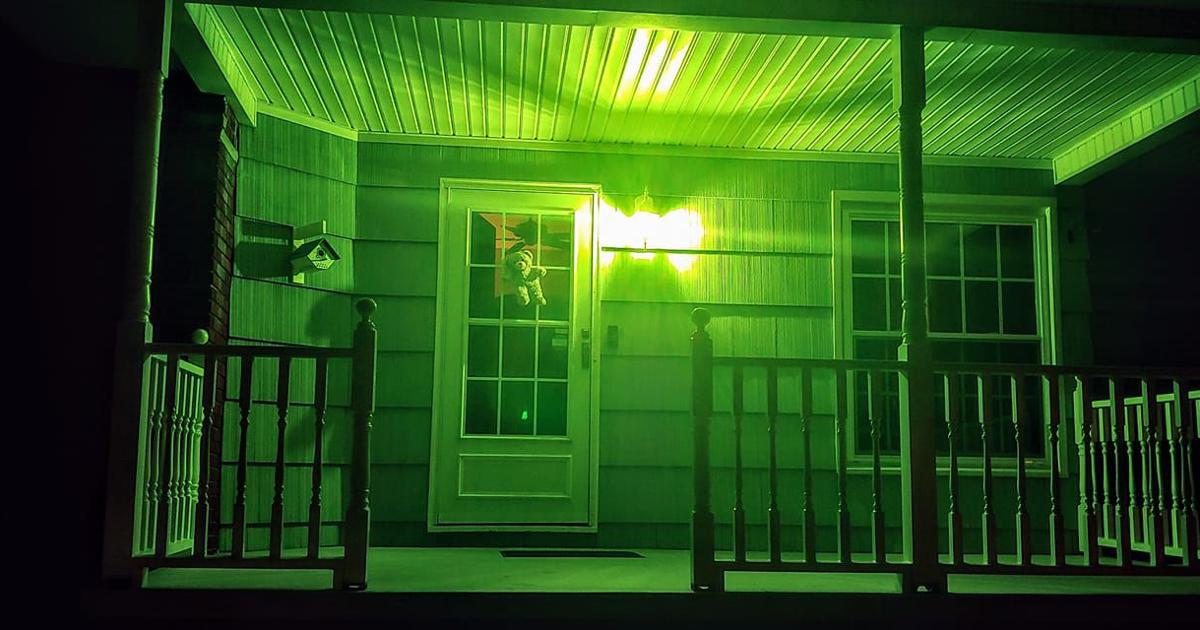
It was a four-bedroom colonial with a wraparound porch and a backyard where Dad used to drink ginger tea in the evenings while the sky darkened. From the outside, it looked like the kind of house people point to when they talk about stability. Good neighborhood. Fresh paint. Clean hedges. The kind of place that suggests family dinners and laughter and safety.
Looks can lie.
Marcus opened the front door before I even knocked. He gave me a one-armed hug that lasted half a second.
“Long time, sis,” he said. “You look tired.”
I didn’t respond. I was looking past him into the hallway.
There was a Louis Vuitton duffel near the stairs. Golf clubs by the wall. Gucci loafers lined up beside the baseboard.
Marcus had been unemployed for eight months. Mom had mentioned that once in a phone call dressed up as concern. But there he was, surrounded by expensive things like a man who had never heard the word consequence.
My old bedroom had become his storage space.
The light blue walls were still there. My bed was gone. In its place were stacks of designer luggage, shoe boxes, unopened electronics, and a large flat-screen television still in its packaging.
I stood in the doorway and felt something old return to me. A cold, familiar feeling. Not surprise. Not even anger at first. Just recognition.
Some things in a family never really change. They only become more expensive.
I ended up handling almost everything for the funeral.
I called the funeral home. Wrote the obituary. Contacted relatives. Ordered flowers. Confirmed the food. Picked the photo for the program. It was a picture of Dad from about ten years earlier, before tiredness had settled permanently into his face.
Marcus handled public grief.
Whenever neighbors came by with casseroles or soft voices and sympathetic eyes, he would appear in the doorway wearing sorrow like a perfectly fitted suit. His face would tighten at the right moments. His voice would lower when needed. He knew exactly when to place a hand over his heart.
But behind closed doors, something else was going on.
I kept hearing fragments of low conversations between him and Mom. They would stop when I entered a room. I caught words like buyer, soon, paperwork, after the service.
On the fourth night, I passed the kitchen and heard Marcus on the phone.
“I know,” he said, voice tight and sharp. “I said after this week. You’ll have it. Just wait until after this week.”
He turned and saw me standing there. He hung up so fast it was almost funny.
“Work stuff,” he said.
He hadn’t worked in eight months.
The night before the funeral, I couldn’t sleep. The house felt full of ghosts and tension. I went down to Dad’s basement office and started sorting through his files because order has always been the only thing that calms me when life starts slipping sideways.
The first cabinet had tax returns, mortgage papers, utility bills, insurance records.
The second held older things. School papers. Family photos. Report cards. A folder labeled IMPORTANT DOCUMENTS.
Inside were my birth certificate, some baby pictures, and one single sheet of paper on letterhead I didn’t recognize.
Farwell Family Holdings LLC.
The date on it was 2009.
My name was in the middle of the document.
At the bottom was my signature. Younger. Rounder. Still clearly mine.
Then memory came back in a rush.
That year, Dad had asked me to come home and sign some paperwork. “Administrative business stuff,” he had called it. “Nothing important. Just sign where I show you.”
I had just finished college. I trusted him enough not to ask questions.
Then I forgot all about it.
Until that moment in the basement, under the yellow lamp, with the house quiet above me and my father newly dead.
I slipped the document into my purse.
The next morning, I mentioned it to my mother and said the company name out loud.
She barely looked up.
“That business dissolved years ago,” she said. “Don’t go digging through old papers looking for drama.”
Her voice was smooth. Certain. Dismissive.
It almost worked.
Almost.
But I kept the document with me.
The funeral was held on a gray Thursday. The sky looked heavy enough to press down on people. More than forty people came. Family. Neighbors. Former coworkers from Dad’s construction company. Old friends who had stories from decades I barely knew.
Marcus gave the eulogy in a Tom Ford suit that probably cost more than my monthly rent.
He spoke beautifully. He always could when there was an audience. He told stories about fishing trips, late-night talks, life lessons, father-son loyalty. Listening to him, you would have thought the two of them shared a bond so deep it could not be put into words.
I sat in the back row and wondered how much of it had actually happened.
People cried. People nodded. A few even smiled through tears.
Mom sat in the front wearing black Chanel and pearls, receiving sympathy with perfect control, like she had been born for exactly this kind of public tragedy.
No one looked back at me.
No one asked how I was doing.
I was what I had always been in that family. Present, but not central. Useful, but not cherished. The daughter who had left, the daughter who could manage, the daughter who did not need much.
The real shock came after the final prayer.
People were standing, putting on coats, whispering their goodbyes, when Marcus stepped back up to the podium.
“If I could have everyone’s attention for one more minute.”
The room quieted.
Mom gave him a small nod from the front row.
“Our family has made a difficult decision,” Marcus said, lowering his voice like a man carrying a noble burden. “We’re going to sell the family home.”
A wave of murmurs spread through the room.
Aunt Patricia actually gasped. “The house on Maple? Richard loved that house.”
“I know,” Marcus said, shaking his head sadly. “But Mom can’t stay there alone with all those memories. It’s too much for her. The upkeep is too much too. We talked about it together as a family. Mom, me, and Briana all agreed.”
I started to stand.
Mom turned her head just enough to look at me, and the warning in her eyes was sharp as glass.
Don’t you dare.
So I froze.
Then she stood and walked to the front.
“Some of you may be wondering about Briana,” she said.
Every face in the room turned toward me.
Heat rose into my face so fast I could barely breathe.
“Briana is independent,” my mother continued. “She has a good career, her own apartment, her own life. She left years ago and did well for herself. Richard would be proud of that.”
Then she tipped her head slightly, the way she always did before saying something cruel in a pleasant voice.
“She doesn’t need the house. Not the way Marcus does. He’s had some setbacks. He needs the support of his family right now.”
Someone near me murmured, “Well, she did walk away.”
Then Mom looked directly at me and said the line I would hear in my head for days.
“Your father would understand. Your sister can find somewhere else to live.”
I wanted to tell the whole room everything.
That I had worked double shifts while Marcus drove a paid-for car. That I had built my life from scholarships and exhaustion while he burned through opportunities like paper. That “independent” was just another word for unsupported.
But my throat locked. And I stood there silent, feeling eighteen again.
When I left the funeral home, I saw Marcus outside talking to a man in a tailored gray suit. They shook hands. Exchanged cards. The man handed him a folder with a real estate logo on it.
A few minutes later, they drove off together toward Maple Street.
They were showing the house before my father had even been buried.
Then, near the edge of the funeral home lawn, I saw a real estate sign lying flat in the grass, ready to be placed. COMING SOON.
That was when I knew this wasn’t grief making them reckless.
This had been planned.
Three days later, Marcus called a family meeting at the dining room table. About fifteen relatives came. I think my mother believed that enough witnesses would make it harder for me to resist.
Marcus slid a document toward me.
At the top it said: Disclaimer of Interest in Estate Property.
“It’s simple,” Mom said. “You sign this and confirm you have no claim to the house or any money from the sale. Then everything moves forward cleanly.”
I looked at the paper, then at them.
“If I don’t have any rights,” I asked, “why do you need my signature?”
Marcus’s mouth tightened.
“Because we want this done quickly,” he said. “We don’t need some estranged daughter showing up later trying to get a piece.”
“You have twenty-four hours,” he added.
I picked up Dad’s Mont Blanc pen, held it above the signature line, then set it down again.
“I need time.”
That night, I sat alone in my apartment, lights off, the city glowing faintly outside the windows. The document from the basement was still in my purse. I kept taking it out and reading it even though I didn’t fully understand it.
Finally, I found Dad’s old address book and looked up Gerald Whitmore, the family attorney listed in the funeral program. I called and left a message.
His office was in an old brick building downtown with brass nameplates, Persian rugs, and the smell of paper and furniture polish. He was older than I expected, with white hair, wire-rimmed glasses, and the kind of careful face that misses nothing.
“Miss Henderson,” he said when I sat down. “I was hoping you would call.”
I slid the document across the desk.
“I found this in Dad’s office. I don’t know what it means.”
Whitmore looked at it, and I saw something pass over his face. Recognition. Relief.
Then he said, very calmly, “The house on Maple Street is not part of your father’s estate.”
I stared at him. “What?”
“In 2009, your father transferred the property into Farwell Family Holdings LLC. The house belongs to the company, not to him personally.”
I felt my whole body go still.
He folded his hands and looked at me over his glasses.
“And you are the sole member of that LLC. You have been for fifteen years.”
For a second, I thought I had misheard him.
“My father put the house in my name?”
“In legal terms, yes. In practical terms, he made sure the home could not be touched by anyone else.”
I couldn’t speak.
Whitmore opened a folder and continued gently. “Your father came to me in 2008. He was worried about Marcus. The gambling had already started. Not as badly as now, but enough to frighten him. He believed that if something happened to him, Marcus would eventually destroy any asset left unprotected.”
My eyes filled before I could stop them.
For so many years, I had interpreted my father’s silence as distance, maybe even disappointment. I had built whole stories inside myself about what his silence meant.
Whitmore opened a drawer and took out a sealed envelope.
My name was written on the front in Dad’s shaky handwriting.
“He left this three months ago,” Whitmore said. “After his diagnosis.”
I took it with both hands.
Whitmore arranged a formal reading for Friday and invited everyone.
The night before, Marcus called.
“Your deadline’s up,” he said, smug and certain. “Bring a pen tomorrow.”
“I’ll be there,” I said.
Then Mom called.
This time her voice was softer, thinner. “Marcus owes dangerous people,” she said. “Over three hundred thousand. Maybe more. I gave him everything I had. The house was supposed to fix this.”
“Selling the house won’t fix it,” I said. “It’ll only buy him time.”
“You don’t understand.”
“No,” I said. “I understand perfectly.”
After the call, I opened Dad’s letter.
His handwriting shook across the page. He wrote that he knew I had not been treated fairly. He wrote that he was sorry he had never been brave enough to say so out loud. He wrote that he had failed me in many ways, but he had tried to leave me one thing they could never take.
Then came the line that broke me open.
You’re the only one I trust with what matters.
I folded the letter and placed it inside my blazer pocket.
Whitmore’s conference room was polished and quiet, with a long mahogany table and oil paintings on the walls. I arrived early. Mom came in first, dressed in black again. Marcus arrived late in the same expensive suit, acting relaxed, like a man walking into a room he already owned.
He caught my eye and grinned. “Brought a pen?”
I said nothing.
Whitmore started with the easy parts. Dad’s vehicle to Marcus. Savings to Mom. Personal items listed and distributed. People relaxed. They thought they knew the shape of the ending.
Then Aunt Dorothy asked, “And the house?”
Whitmore removed his glasses, polished them, and said, “The Maple Street property is not part of the estate.”
The room fell silent.
“It is owned by Farwell Family Holdings LLC.”
Marcus straightened in his chair. “What is that supposed to mean?”
“It means,” Whitmore said, “that your father transferred the property in 2009 into a company.”
“Fine,” Marcus snapped. “Who owns the company?”
Whitmore looked at me.
The whole room turned.
“The sole member,” he said, “is Briana Henderson.”
Silence.
Then Marcus shot out of his chair. “That’s a lie. She manipulated him. She got to him when he was sick—”
“The transfer happened in 2009,” Whitmore said evenly. “Your father was healthy. The paperwork was properly notarized and witnessed.”
Marcus grabbed the document and scanned it with shaking hands.
“This is fraud.”
“This is deliberate,” Whitmore replied.
Mom still hadn’t moved. When she finally spoke, her voice was barely more than air.
“He never told me.”
“He asked me not to,” Whitmore said.
Marcus looked wild now, desperate. “That house is worth almost nine hundred thousand dollars. It belongs to the family.”
“It belongs to the LLC,” Whitmore said. “And the LLC belongs to your sister.”
Then Mom turned to me with a look I had never seen from her before. Shock. Betrayal. Fear.
“You knew.”
“I found out four days ago,” I said. “After you announced at Dad’s funeral that I could find another place to live.”
Her mouth tightened. “We need that money.”
“Because Marcus owes three hundred and forty thousand dollars,” I said.
The room erupted.
Aunts whispered. Uncle Frank swore under his breath. Someone asked if it was true. Marcus tried to call it investments. My mother broke and admitted she had been covering for him for years.
I stood up.
“I’m not here to punish anyone,” I said. “I’m here because this is what Dad chose. He made that choice fifteen years ago, and he kept it in place all that time. That tells me everything.”
Then I looked at Mom.
“You can stay in the house. I’m not throwing you out. We’ll draw up a lease for one dollar a month. But Marcus does not live there.”
Marcus started protesting, but I cut him off.
“You need treatment, not rescue. If you enter a real ninety-day program, I will support that. I will not pay your debt. I will not fund your addiction.”
Then I picked up my bag and walked out.
Halfway down the hall, I heard my grandmother’s cane tapping after me.
“Don’t apologize,” she said when she caught up.
She took my hands and told me Dad had spoken to her after his diagnosis. He asked if he should protect me. She had told him yes.
“I wanted to see if your mother would do the right thing on her own,” Grandma said.
“She didn’t,” I answered.
“No,” Grandma said softly. “But you did.”
Marcus found me in the parking lot. Up close, the expensive suit couldn’t hide what was underneath. Dark circles. Trembling hands. Panic.
“I kept thinking I could win it back,” he said. “Just one more time. One more bet and it would all be fixed.”
That was the first honest thing I had heard from him in years.
“You need help,” I said. “Not money.”
He nodded.
Mom was waiting near my car. Without the makeup and posture and pearls, she looked suddenly older. Smaller.
“Did he leave anything for me?” she asked. “Any message?”
I could have lied. I could have softened the silence.
Instead I told the truth.
“No.”
She flinched.
I looked at her and said the thing I had needed to say for half my life.
“He didn’t leave the house to me because he loved me more. He left it to me because he knew you and Marcus would destroy it. And he was right.”
Two days later, Whitmore sent me the final documents and Dad’s key ring. It was the old brass set he had carried for decades. Inside the little plastic window on the keychain was a faded photo.
Me at five years old. Gap-toothed. Squinting in the sun.
He had carried my face with him all those years.
Marcus entered treatment in New Jersey two weeks later. A real program. No phone. No shortcuts. I didn’t visit, but I sent him one letter.
I’m rooting for you.
He wrote back with only two words.
Thank you.
I moved back into the house on Maple Street in December, at least part-time. I kept my apartment in the city for work, but on weekends I came home and started reclaiming the place room by room.
The first thing I took back was my bedroom.
I moved Marcus’s luggage, boxes, and electronics into the garage. Then I painted the walls sage green, the color I had always wanted when I was young but had never been allowed to choose.
Mom moved into the guest room under the one-dollar lease.
We did not become close. We did not suddenly heal. But the shouting stopped. The cruelty quieted. Sometimes that is the first shape peace takes.
On Sunday evenings, Grandma started coming for dinner. She brought pie or casserole and stories about my grandfather, who, according to her, had my same stubborn streak and the same habit of going silent when hurt.
I put fresh yellow roses beside Dad’s picture on the mantel after learning from Aunt Patricia that they had always been his favorite.
One evening near the end of December, I sat on the porch with a mug of ginger tea in my hands and watched the last light fade over the yard.
Dad’s letter was in my pocket.
I had read it so many times the paper had grown soft at the folds.
For most of my life, I believed my father didn’t love me. I thought his silence meant the same thing as my mother’s rejection. I thought it meant I was less. Less wanted. Less important. Less worth defending.
I was wrong.
He simply did not know how to love in words.
He came from a world where men were taught that feelings should stay locked inside and that action mattered more than speech. So he loved me in the only language he trusted. Quietly. Carefully. Through paperwork. Annual filings. Legal protections. A deed. A key ring. A worn little photo of his daughter.
I used to think strength meant speaking louder than everyone else. Demanding your place. Refusing silence.
Sometimes it does.
But now I know strength can also look like patience. Like building something solid in the dark and trusting it to hold when everything else falls apart.
Not everything with my mother is repaired.
Some things may never be.
Marcus still has time left in treatment, and I don’t know who he will be when he comes back.
Some relatives still think I manipulated a dying man.
Let them.
I know the truth.
My father never said the words aloud.
But he wrote my name onto every page that mattered.
He protected it for fifteen years.
And when the time came, that was enough.
That was how he said it.
And at last, I understood.